 Business License

Unveiling the Correct Operation Process of the Thick-sheet Blister Machine
Any piece of equipment comes with a complete set of operation procedures. After receiving the equipment, it is essential to carefully read the instruction manual. Today, let's briefly discuss the operation procedures of the fully automatic thick-sheet blister machine.
1. Before the staff prepares to start the machine operation, they should check the vacuum pump, air pump, air circuit, and other parts that require oil to see if the required oil quantity is within the standard. Then, turn on the power supplies of the air pump and the blister machine.
2. Move the "Manual/Auto" change-over switch on the control panel to the "Stop" position, and then turn on the main button. Select the "Manual" or "Auto" position according to the usage mode.
3. Carefully inspect the materials to be processed to ensure that they are clean and free of foreign objects and dirt.
4. Check the clamping (fixture) device, the mold lifting device, and the movement of the moving parts. Their movements should be flexible and reliable.
5. Ensure that the pipelines of all lubrication systems are unobstructed, and the lubricating points are discharging oil normally. For each lubricating part, the specified quantity of lubricant should be poured in according to the lubrication rules.
6. Start the heating furnace. Adjust the heating area of the heating furnace according to the molding area of the mold. Calibrate the temperature control device, and observe the corresponding current and the redness state of the heating elements. Generally, the current is higher around the edges and lower in the middle. Prepare the blister materials and place them in the corresponding position.
7. The heating furnace needs to be preheated for about 15 minutes. Before heating, adjust all the control switches on the control panel to the required positions to prepare for heating and production.
8. Preheat and raise the temperature. Before starting the heating system, carefully check whether the set values of the temperature instruments in each section are consistent with the technological requirements. After starting the heating system, check whether the current index values of the heaters in each section are normal.
9. Adjust parameters such as heating time, pressure, and speed to be consistent with the process settings.
10. Feed the materials. When loading the plates, be careful and ensure they are in place. After clamping the plates tightly, the four peripheral edges should be even to avoid air leakage, which may affect the quality.
11. Be cautious when taking out the finished products and wear gloves to prevent being burned by the hot products.
Recently Posted
-
Airplane Tray Table Production Machine
March 31, 2025The airplane tray table introduced in this article is a plastic table designed for passenger meals on airplanes. It is widely used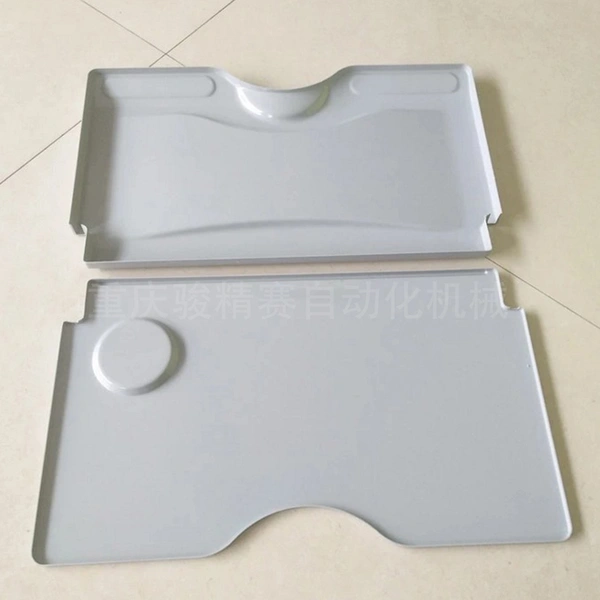 Read More
 -
Working Principle of Vacuum Forming Machine
March 28, 2025I. Working PrincipleThe blister machine, also known as the thermoplastic forming machine, is a device that sucks thermoplasti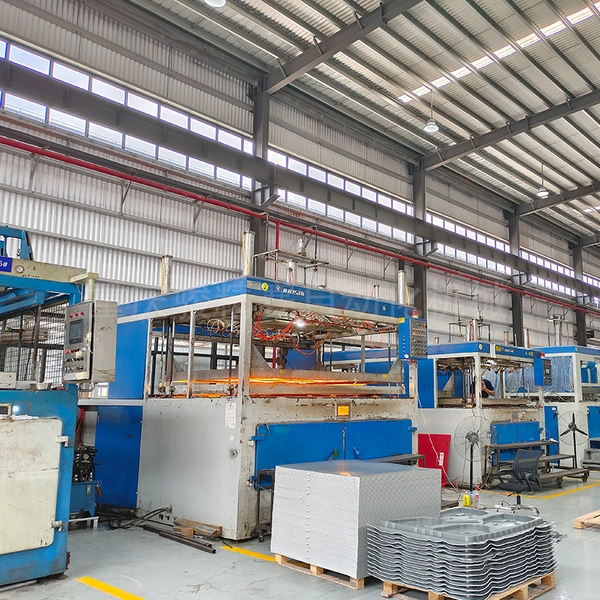 Read More
 -
Take You Through the Industries That Use Vacuum Forming Machines
March 26, 2025Vacuum forming machines, also known as thermoforming machines, are widely used across various industries for shaping plastic sheet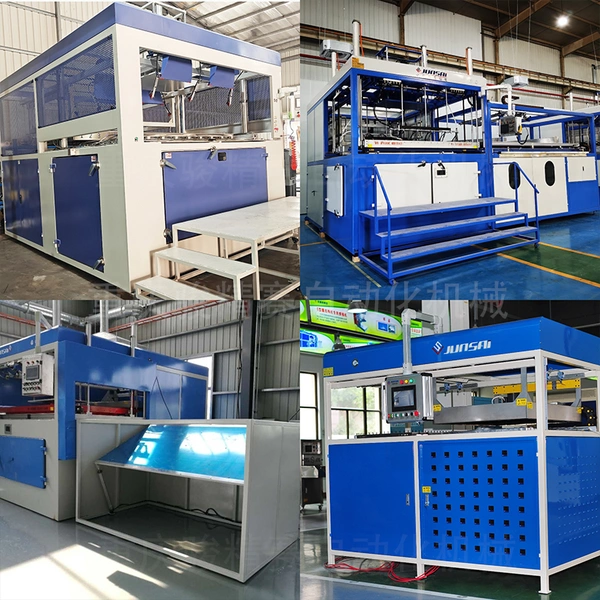 Read More
 -
Collection of Common Vacuum - forming Materials
March 25, 2025Currently, the commonly used sheet materials for vacuum-formed products in daily life include: PVC, PET, PS, PP, as well as flock-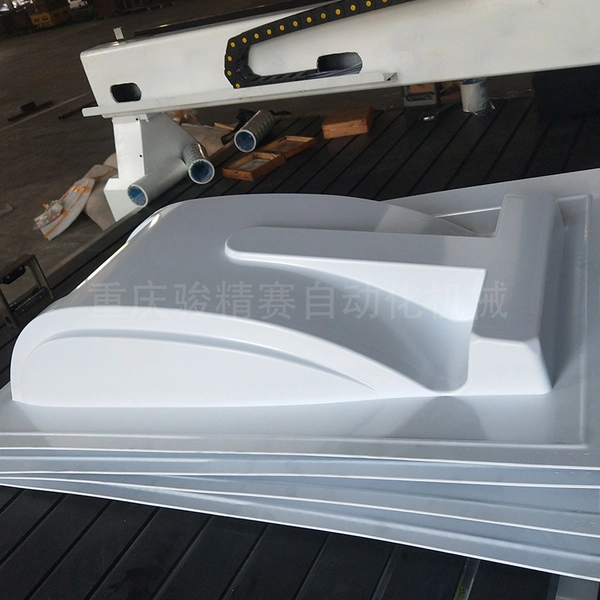 Read More

Contact Us
Recommended Products
-
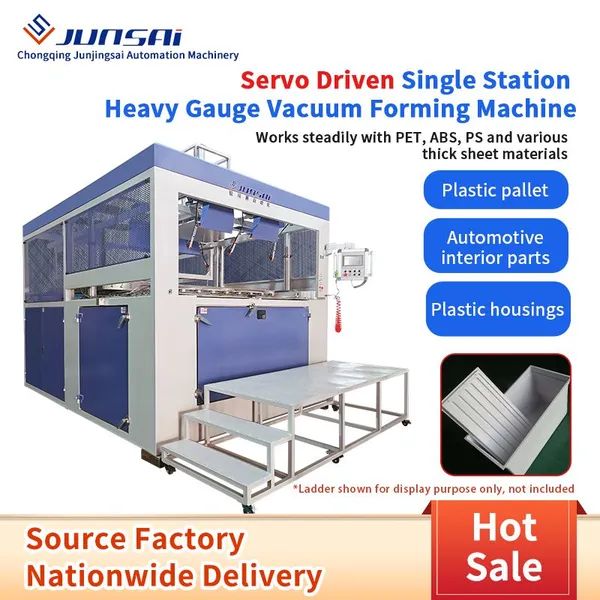
 Thick-Sheet Vacuum Forming Machine for ABS/PC Plastic MoldingUS$ 20000 - 30000MOQ: 1 Unit
 -
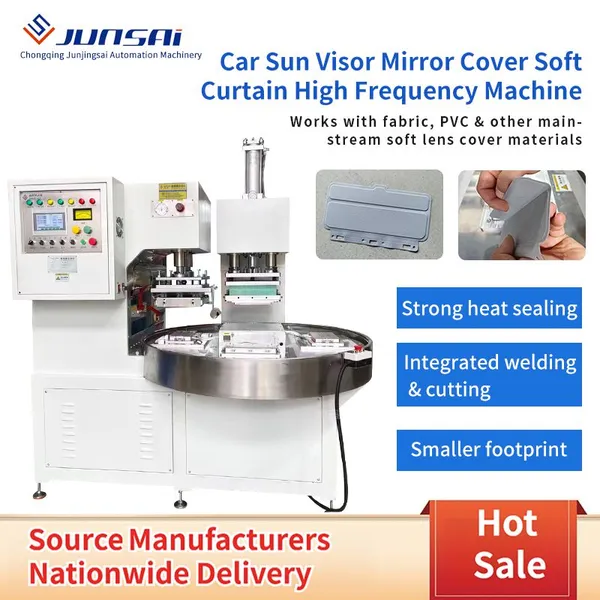
High Frequency Welding Machine for Car Sun Visor Soft Curtain Mirror CoverUS$ 9340 - 17736MOQ: 1 Unit
-
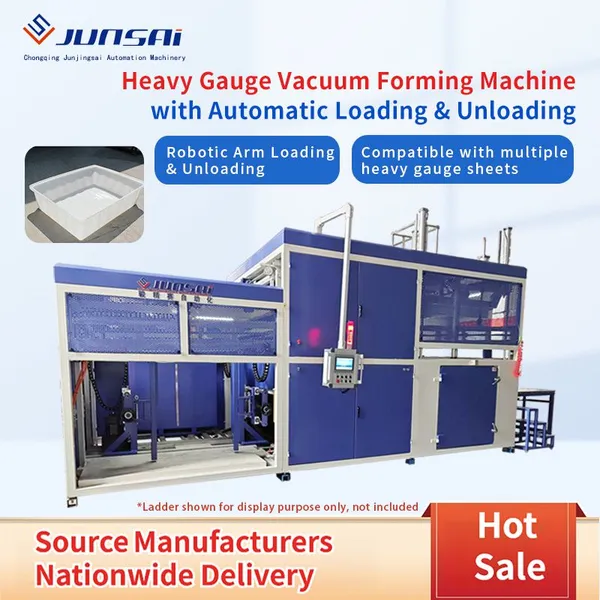
Servo Automatic Loading Unloading Thick Sheet Vacuum Thermoforming MachineUS$ 11660 - 23616MOQ: 1 Unit
-
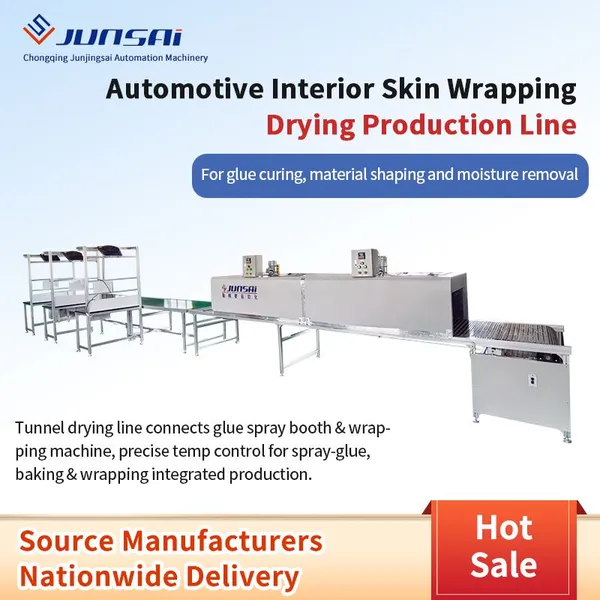
Automotive Interior Skin Wrapping Drying Production LineUS$ 5907 - 8860MOQ: 1 Unit
-
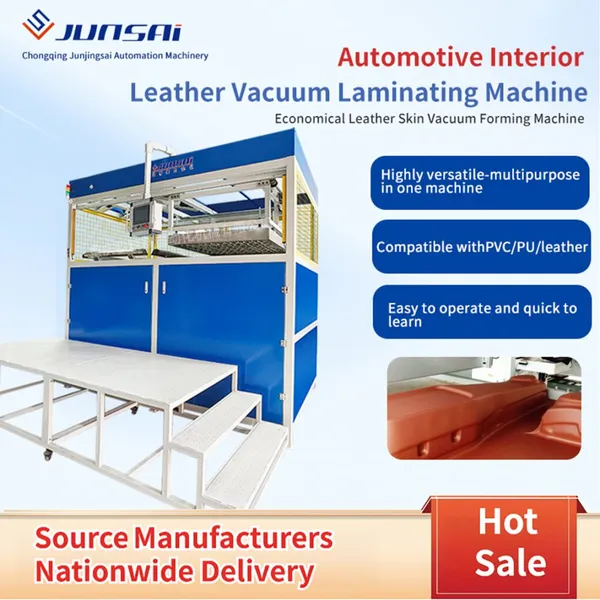
Economical Leather Skin Vacuum Forming MachineUS$ 5296 - 9710MOQ: 1 Unit
-
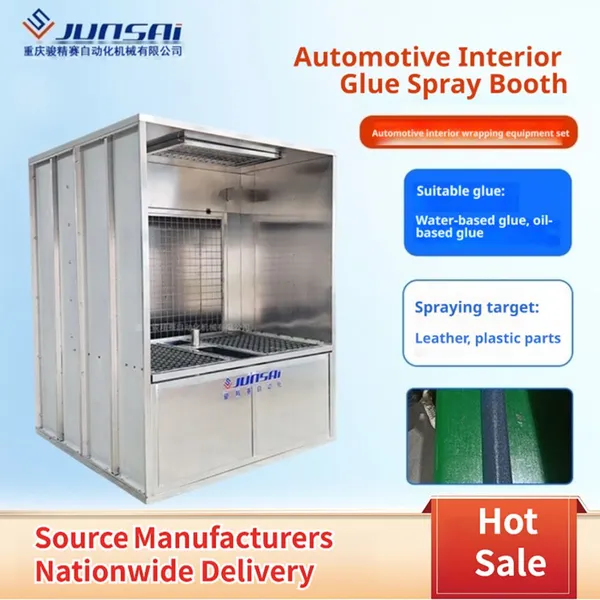
Manual Glue Spraying Booth for Automotive Plastic & Leather PartsUS$ 2220 - 3300MOQ: 1 Unit
-
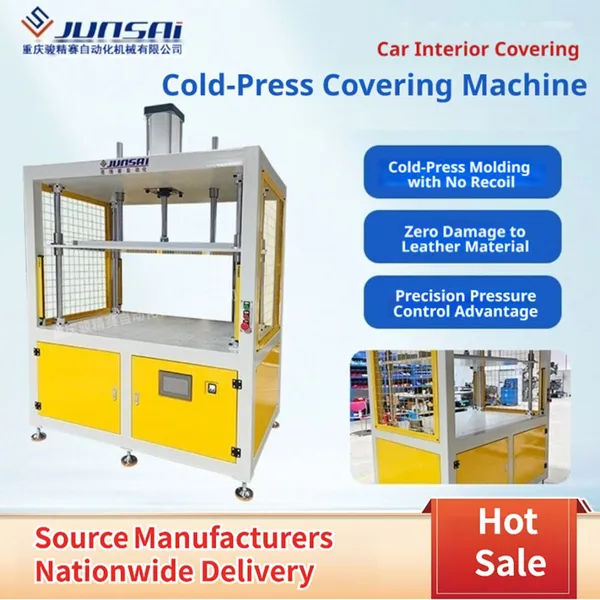
Cold Press Wrapping Machine for Automotive Interior CladdingUS$ 4704 - 7400MOQ: 1 Unit
-
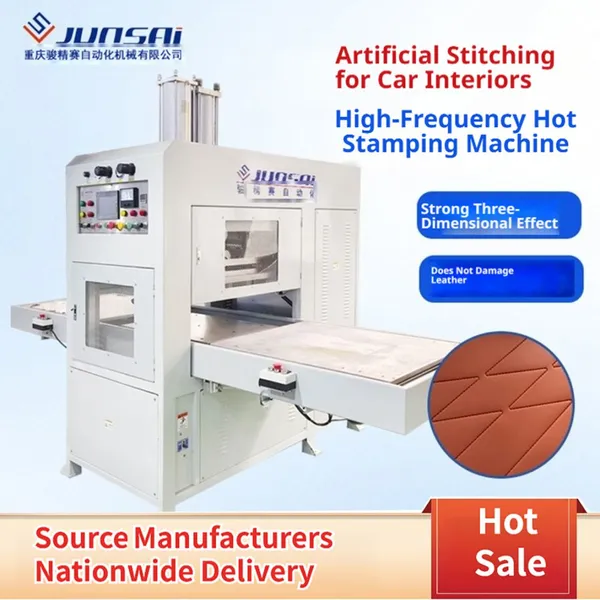
Artificial Stitching for Car Interiors High Frequency Heat Press MachineUS$ 11003 - 13938MOQ: 1 Unit
-
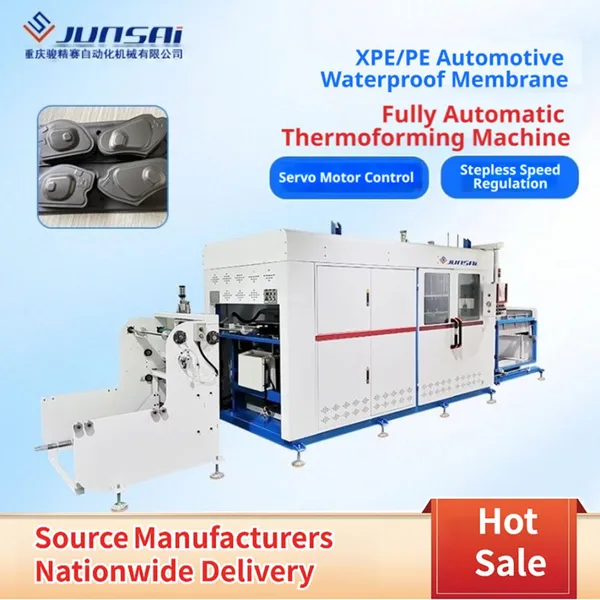
Automotive Door Waterproof Membrane Vacuum Forming MachineUS$ 14635 - 29271MOQ: 1 Unit
-
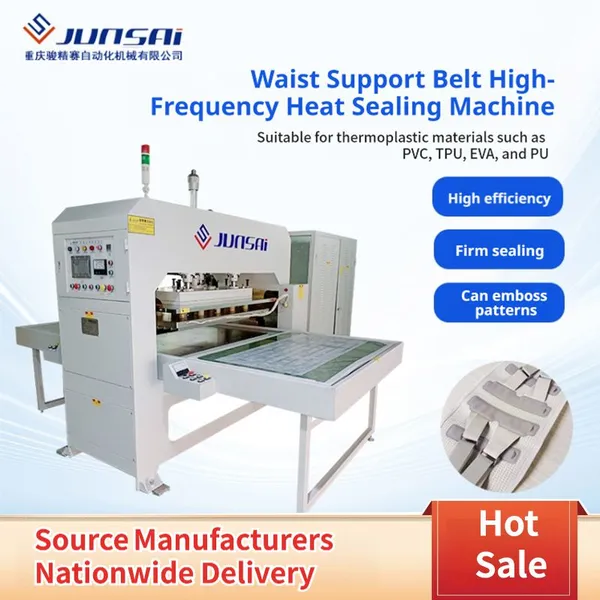
15KW/25KW Waist Support High Frequency Welding MachineUS$ 12461 - 23457MOQ: 1 Unit
-
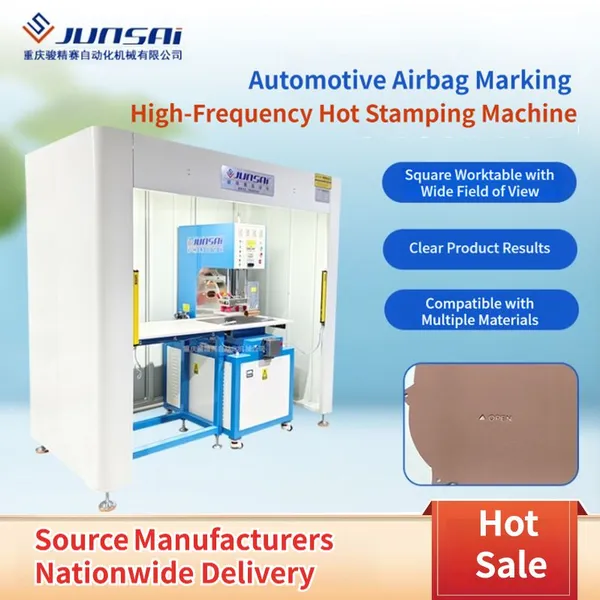
Automotive Airbag Marking High-Frequency Hot Stamping MachineUS$ 2300 - 5200MOQ: 1 Unit
-
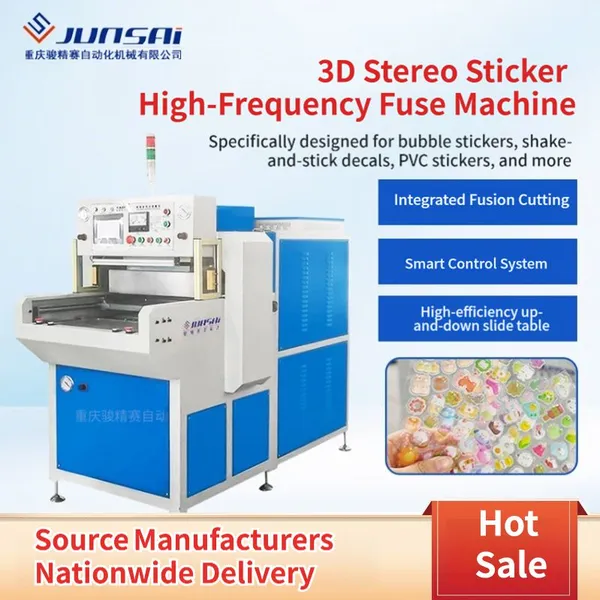
15KW 3D Stereo StickerHigh-Frequency Fuse MachineUS$ 6152 - 12889MOQ: 1 Unit
-
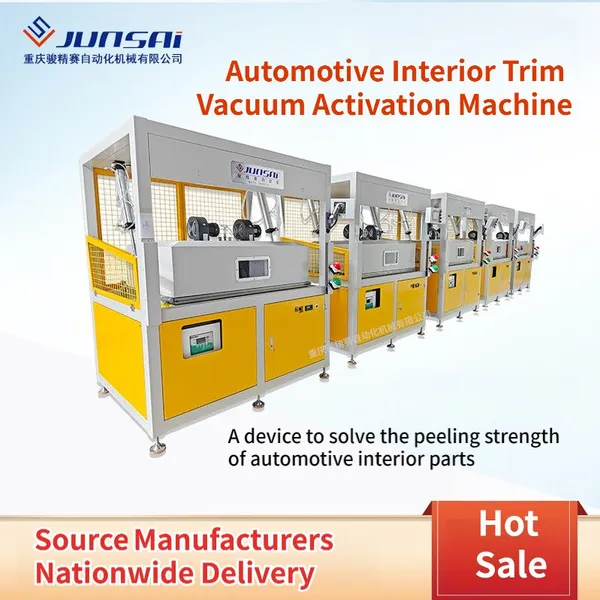
Automotive Interior TrimVacuum Activation MachineUS$ 580 - 8992MOQ: 1 Unit
-
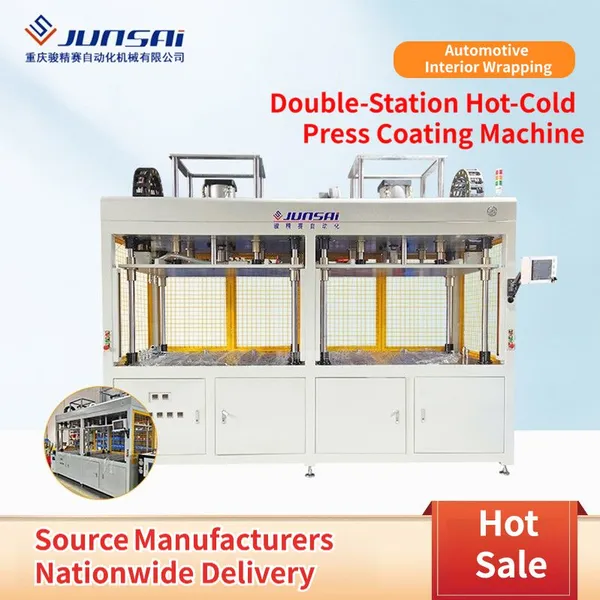
Double-Station Hot-Cold PressCoating MachineUS$ 14215 - 28500MOQ: 1 Unit
-
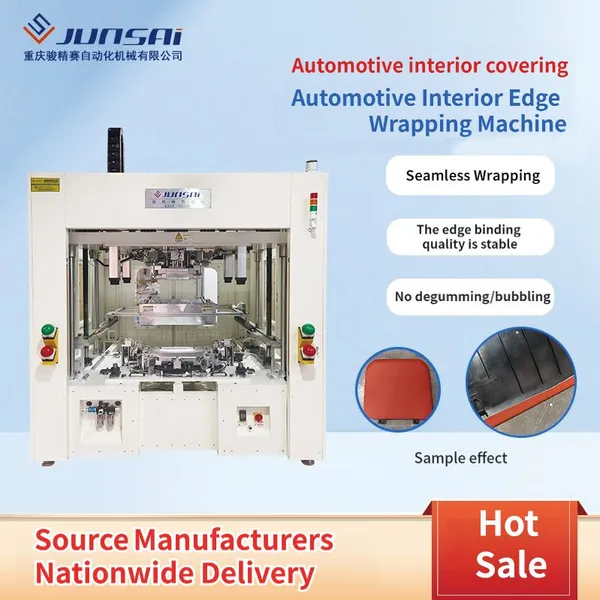
Automotive Interior EdgeWrapping MachineUS$ 4654 - 10907MOQ: 1 Unit
-
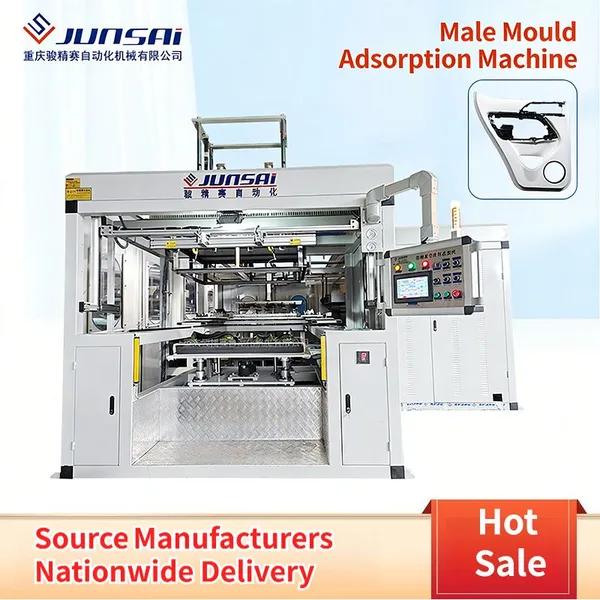
Male Mold Adsorption MachineUS$ 26087 - 33335MOQ: 1 Unit
-
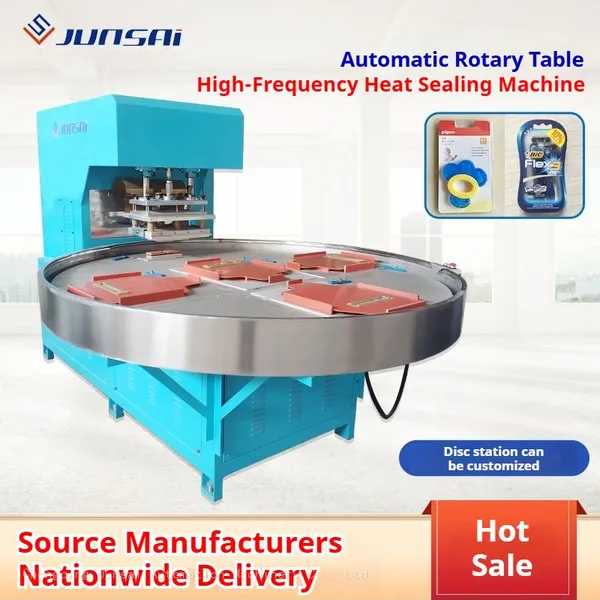
Automatic Rotary Table High-Frequency Heat Sealing MachineUS$ 5055 - 21062MOQ: 1 Unit
-
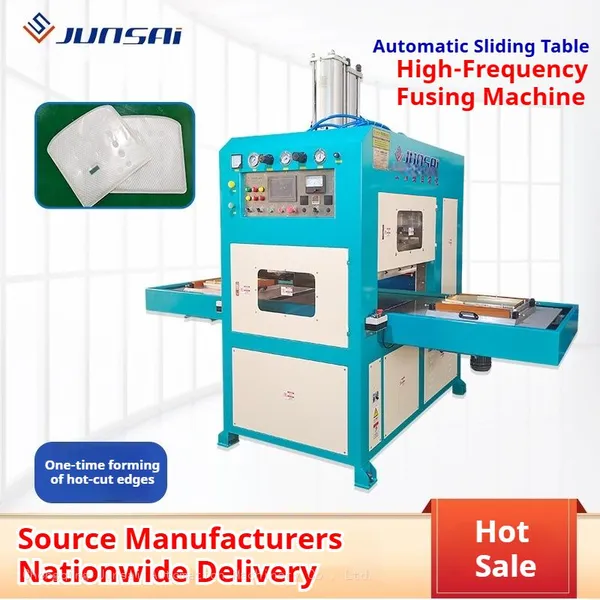
Automatic Sliding Table High-Frequency Fusing MachineUS$ 8424 - 14041MOQ: 1 Unit
-
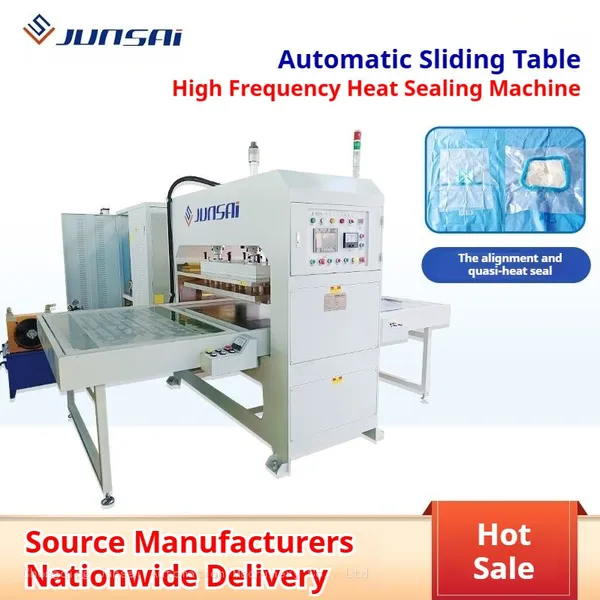
Automatic Sliding Table High Frequency Heat Sealing MachineUS$ 16990 - 28082MOQ: 1 Unit
-
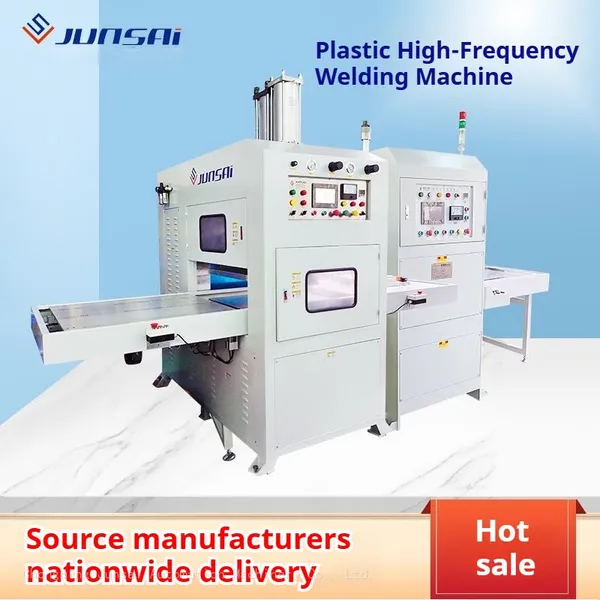
Plastic High-Frequency Welding MachineUS$ 9827 - 12637MOQ: 1 Unit